|
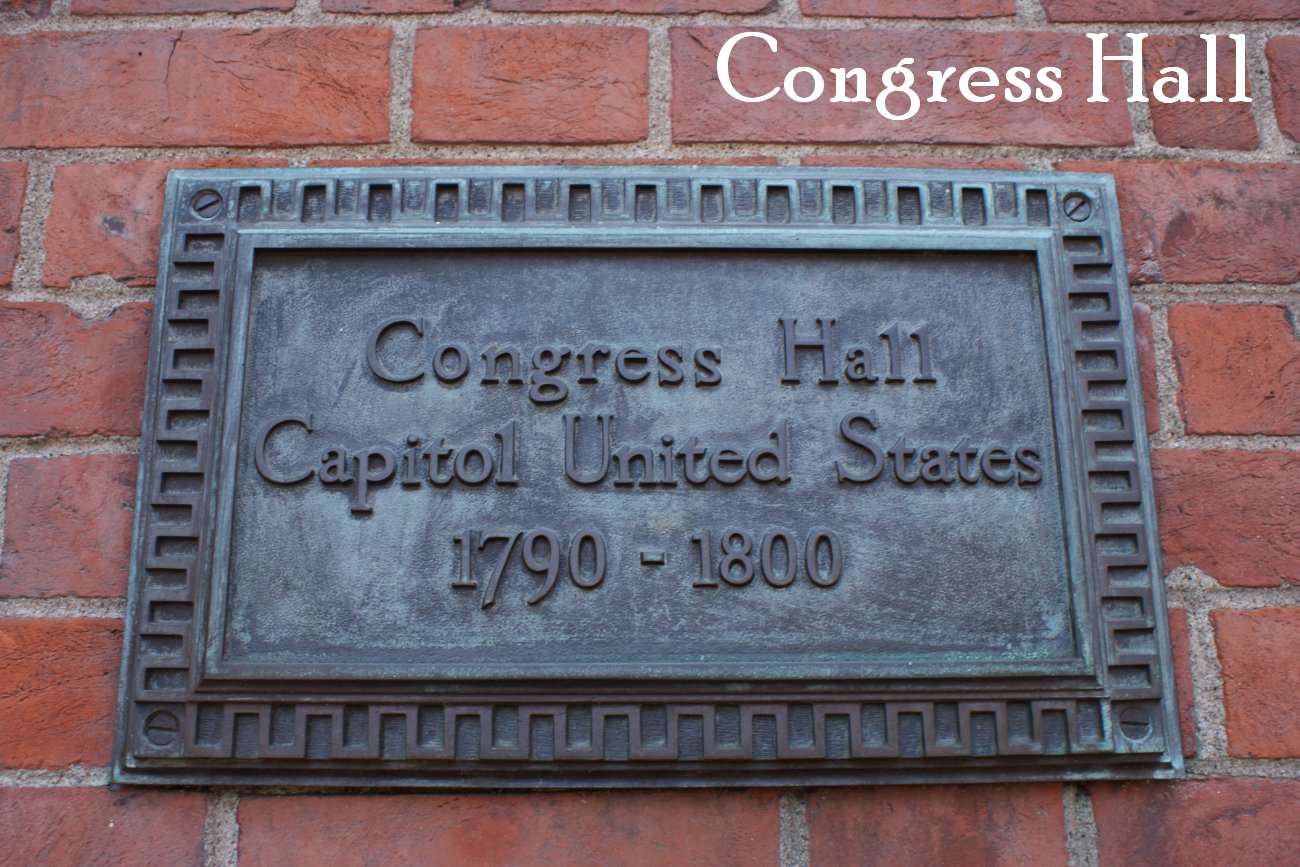
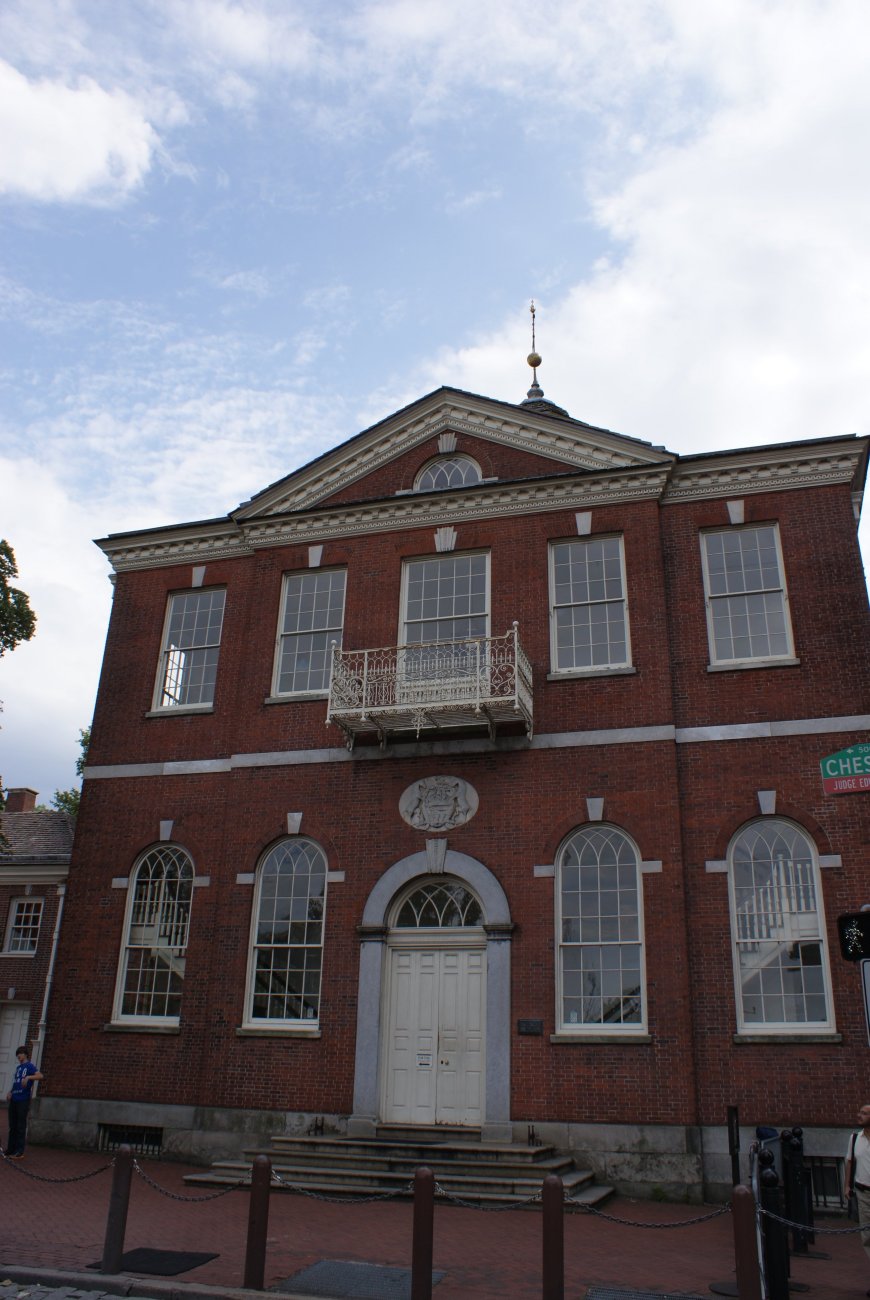
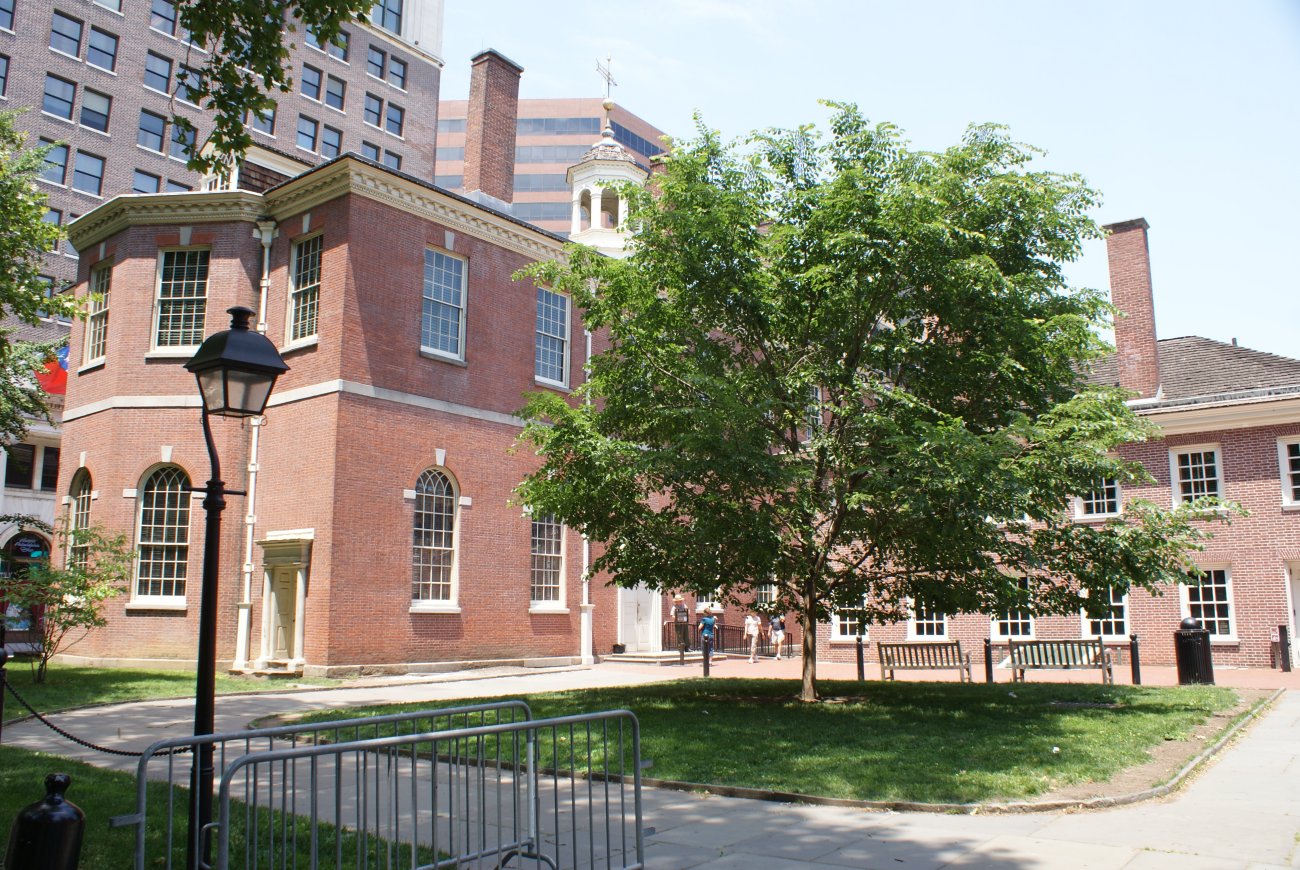
CONGRESS HALL
Corner of 6th and Chestnut Streets
Philadelphia, PA 19106
Google Maps location
FREE ADMISSION and no ticket needed
This site is part of INDEPENDENCE NATIONAL HISTORICAL PARK. Check their website for the most up-to-date information.
The first capitol of the United States under the Constitution was Federal Hall, in New York City, where the statue of George Washington now stands across the street from the American Stock Exchange Building. The second was this building, from 1790 to 1800, when Washington, D.C. became the capital.
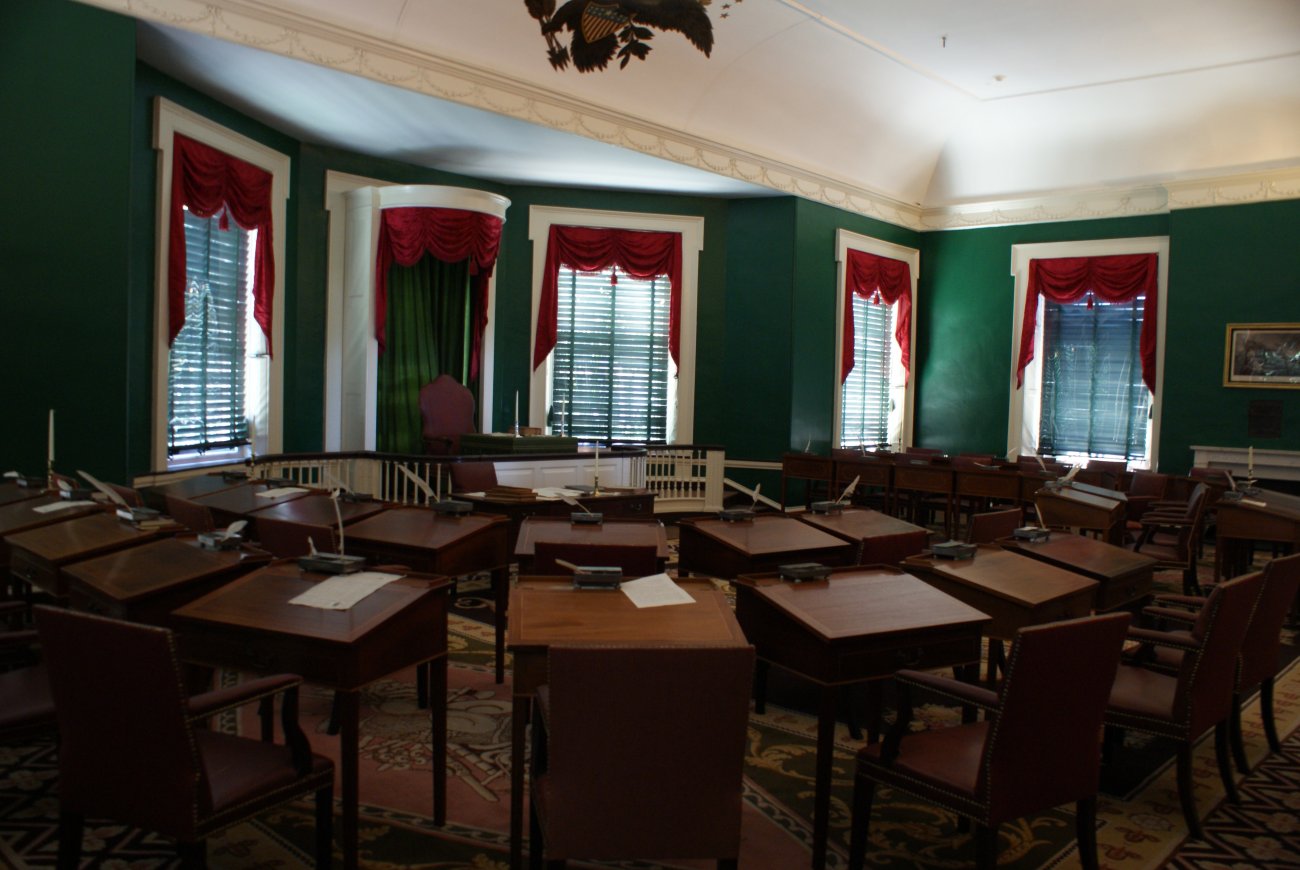
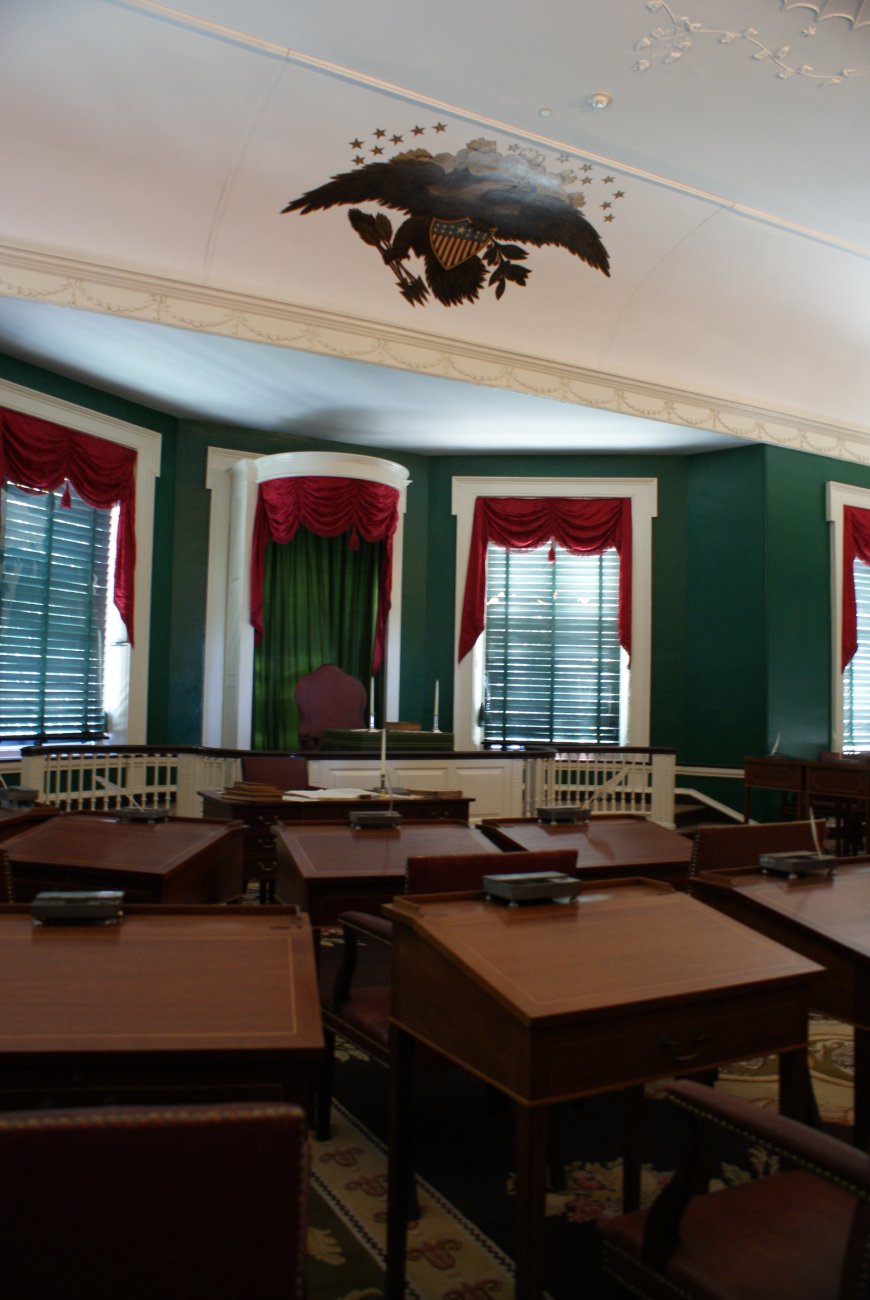
Built between 1787 and 1789, the building was originally intended to be the Philadelphia County Courthouse. Instead, it became the de facto capitol of the United States, the place where both the House of Representatives and Senate met (on the first and second floors, respectively, and where all the government offices were located.
Two presidential inaugurations were held here: George Washington's second inaugural in March 1793, and John Adams' first and only inaugural in March 1797.
This is the building where the first 10 Amendments to the Constitution (the "Bill of Rights") were debated and adopted.
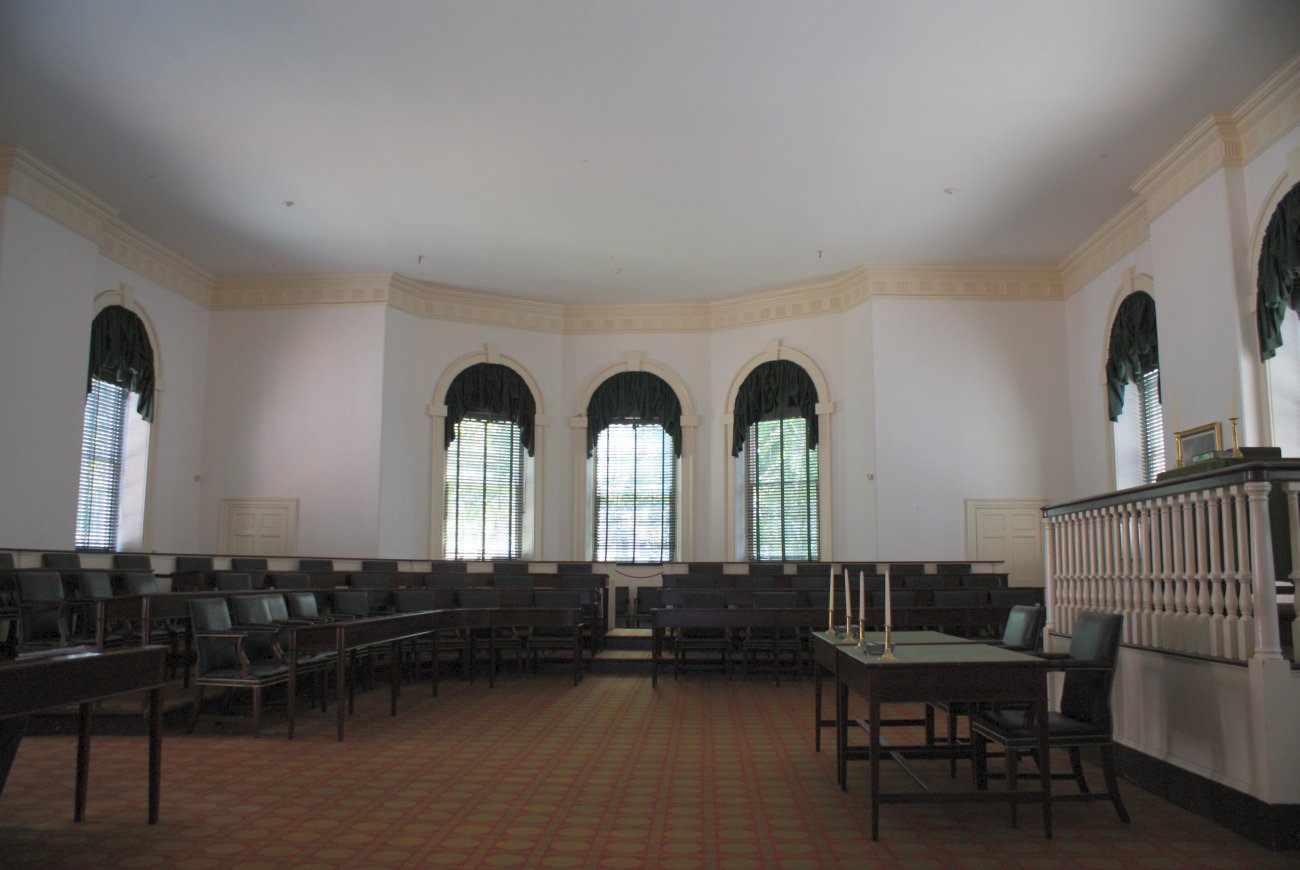
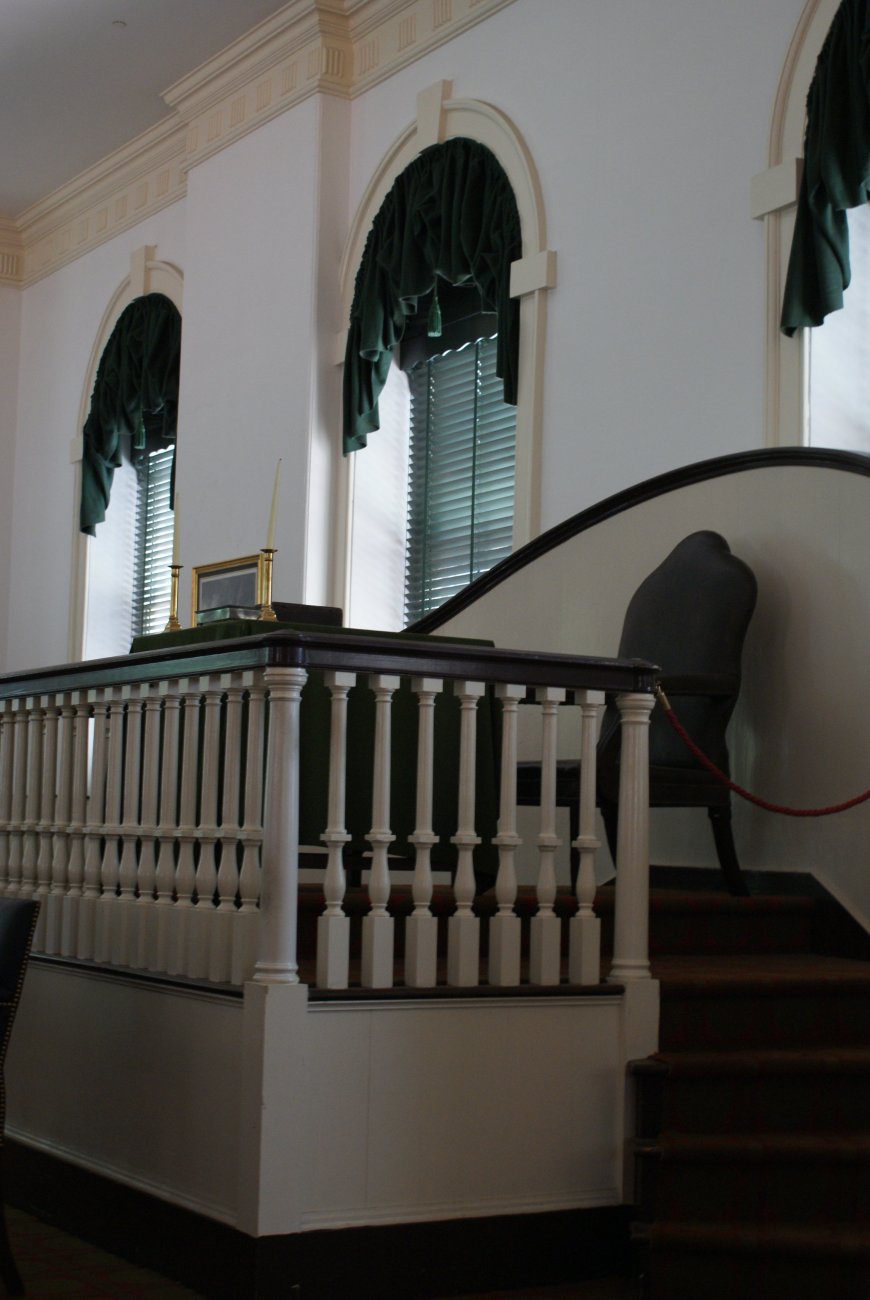
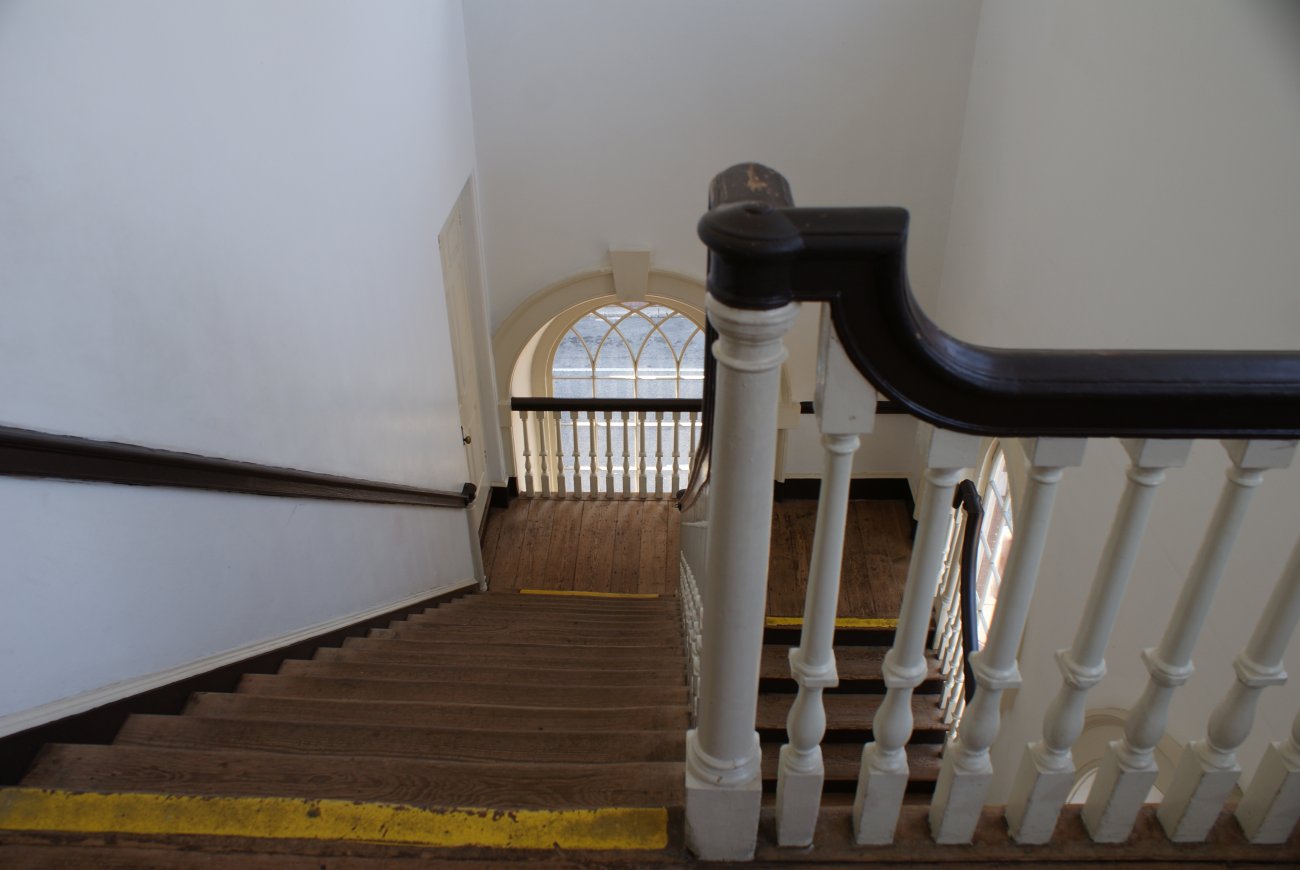
The meeting space for the House of Representatives takes up most of the first or ground floor. The Senate chamber, located upstairs at the end of the hall was much smaller, but so was the Senate! By the time the capital was moved to Washington, D.C. there were only 16 states and therefore, only 32 senators.
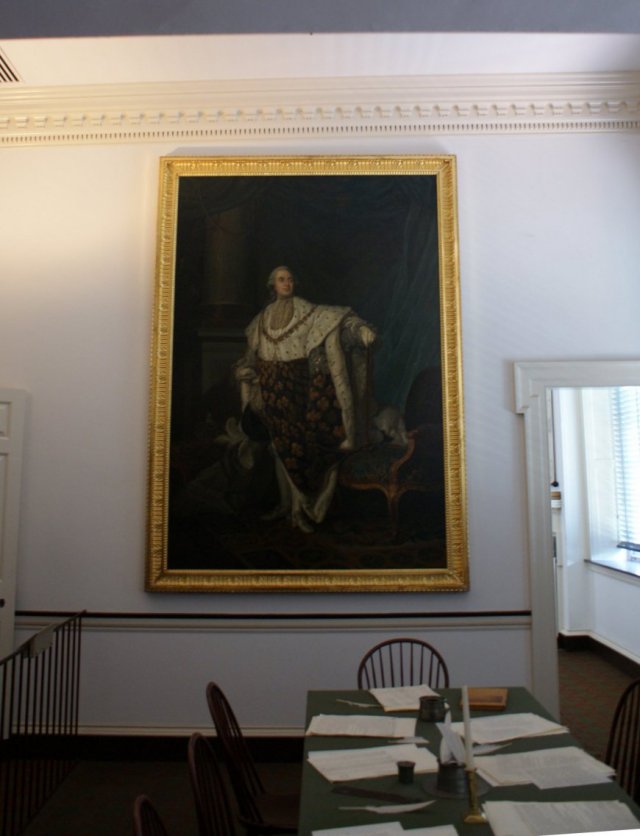
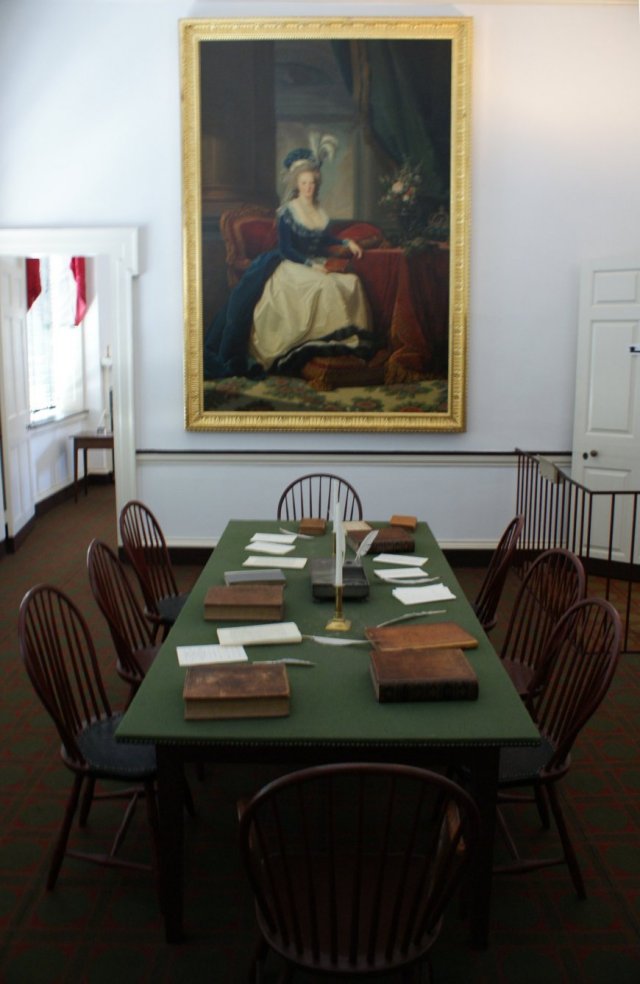
One of the most surprising things about the Senate space are the large portraits of King Louis XVI and Queen Marie Antoinette, seemingly out-of-place in a representative democracy, but not when you consider the tremendous amount of aid -- financial, material, and military -- that France supplied the United States during the American Revolution. Ironically, when the King raised taxes to resupply his country's depleted treasury, it led to his own overthrow (and execution) in the subsequent French Revolution.
After Congress and the federal government offices moved to Washington, D.C. in 1800, the building became what it was originally intended for, namely a courthouse. It remained a courthouse until 1911. In 1913, it was restored to its original 18th century appearance. Today, it is part of Independence National Historical Park, but though it receives fewer visitors than Independence Hall, it is still very much worth a visit.
|